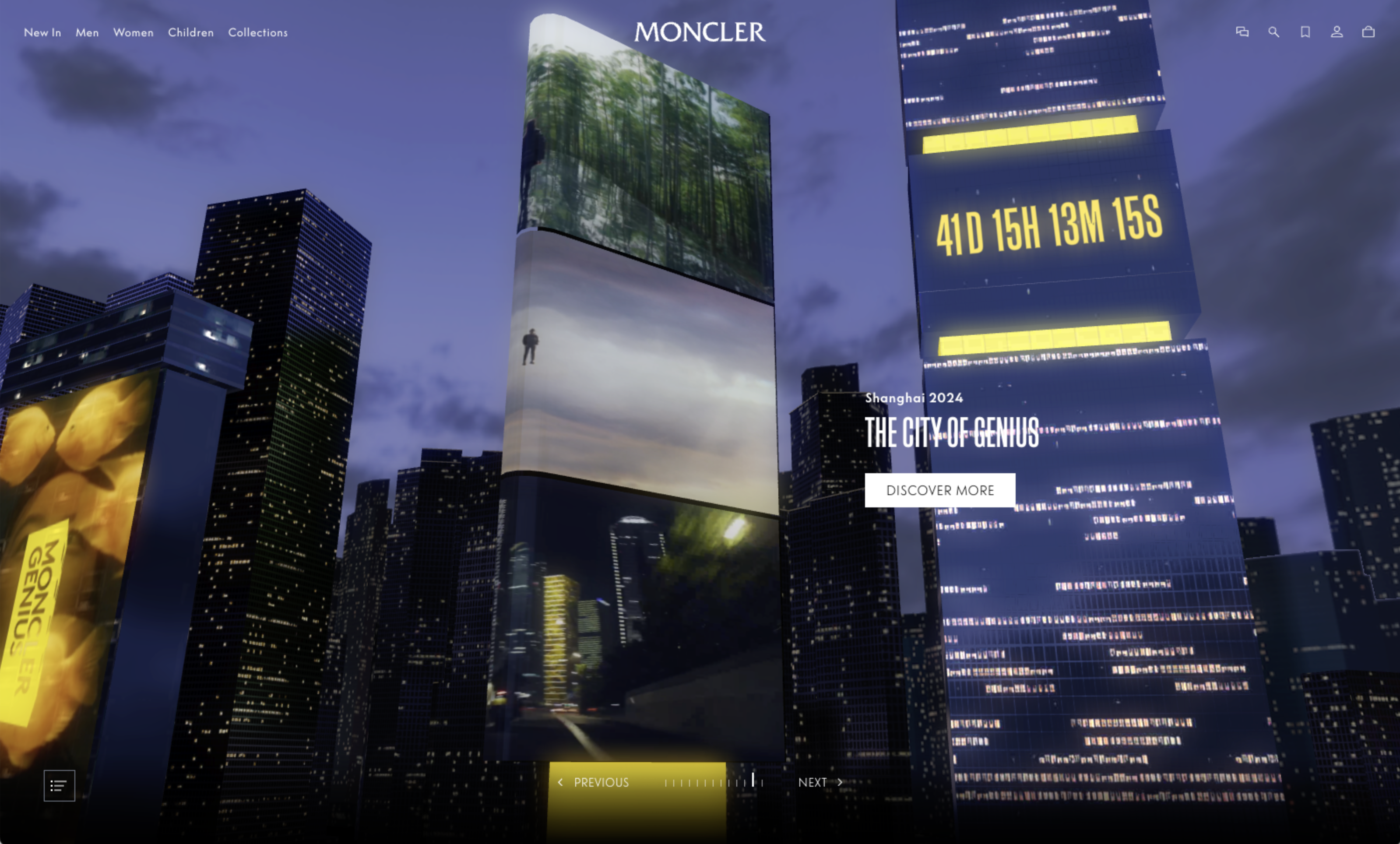
The City of Genius, Moncler, 2024
The City of Genius is an immersive web experience that brings the atmosphere of The City of Genius event in Shanghai right to the browser.
Tasked with creating a 3D carousel-like interface that performs well both technically and visually, I prototyped various approaches, and built out the final product. I implemented a momentum-based swipe that allows fast travel to the desired designer building.
Winner of Campaign’s The List No. 1 Customer Experience of 2024, Campaign Tech Awards 2025. Nominated for Webby Awards 2025.
Experience it on The City of Genius site.
Developed complete immersive experience in Playcanvas in Javascript.
Collaborators: Moncler x R/GA
3D Web Development & Prototyping, Game Engine Development
Androidify, Google Android, 2024
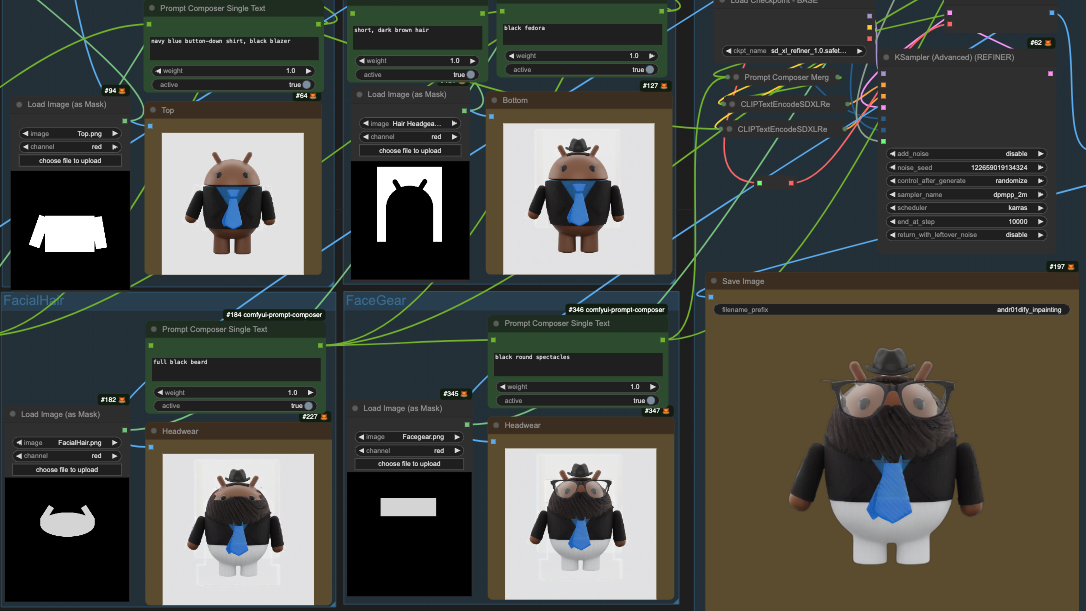
Androidify is a fun generative AI web app by Google that builds a customized Android Bot of yourself.
Tasked with customizing Bots using user uploaded images, I experimented extensively with state-of-the-art image generation, image description and fine tuning methods of the time, creating prototypes to showcase the proposed solutions, and provided recommendations to technology, (like Imagen 3), resourcing and processes.
Give it a go at androidify.com
Prototyped in Google Cloud Platform solutions and ComfyUI.
R/GA Collaborators: Katrina Bekessy, Nick Coronges
Generative AI Research & Prototyping
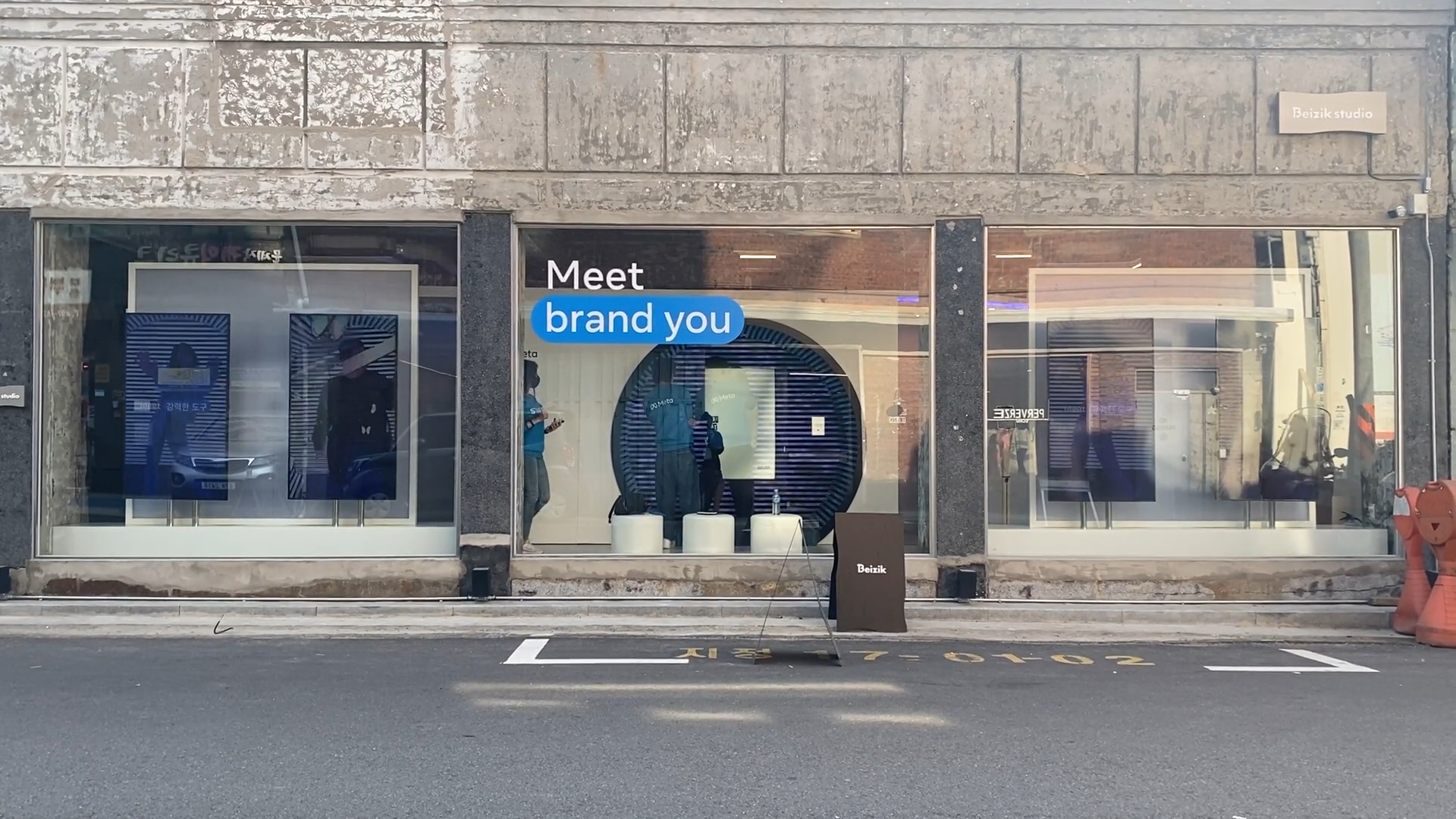
Meet Brand You photobooth, Meta for Business Korea, 2023
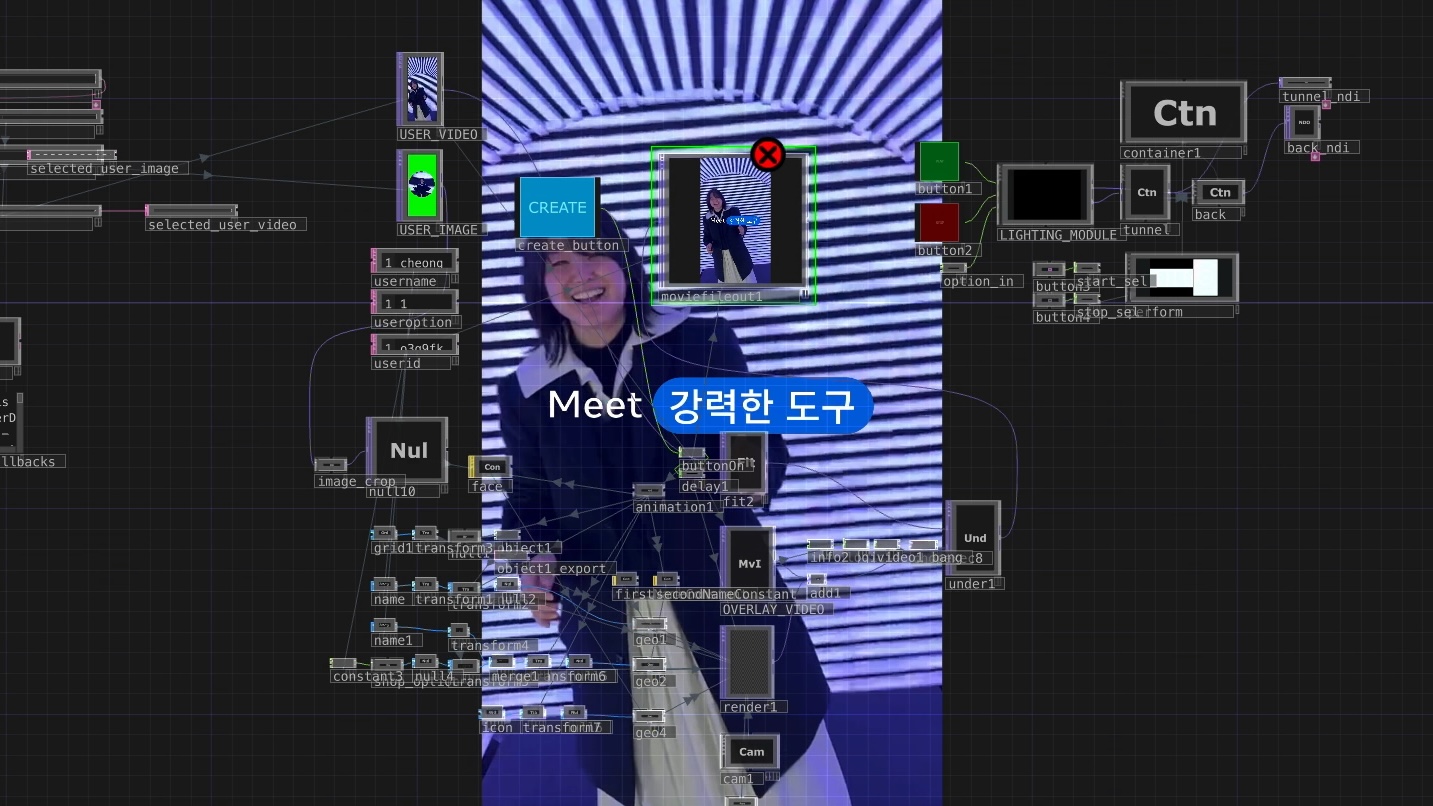
Meet Brand You photobooth was part of the Meet Brand You Meta for Business event held in Seoul. Visitors could get their short form videos taken in a light tunnel synchronized to Spark AR effects overlaid, and download a custom version with their name and profile picture at the end.
Tasked with creating an experience personalized to each visitor, I designed the technical solution architecture coordinating the videographer’s mobile devices with the interactive light tunnel and backend system, as well as visitor flow that coordinates all on-site service staff.
Developed in Touchdesigner.
Collaborators: Meta x R/GA
Real-time system design, User Experience design
spARk, 2018
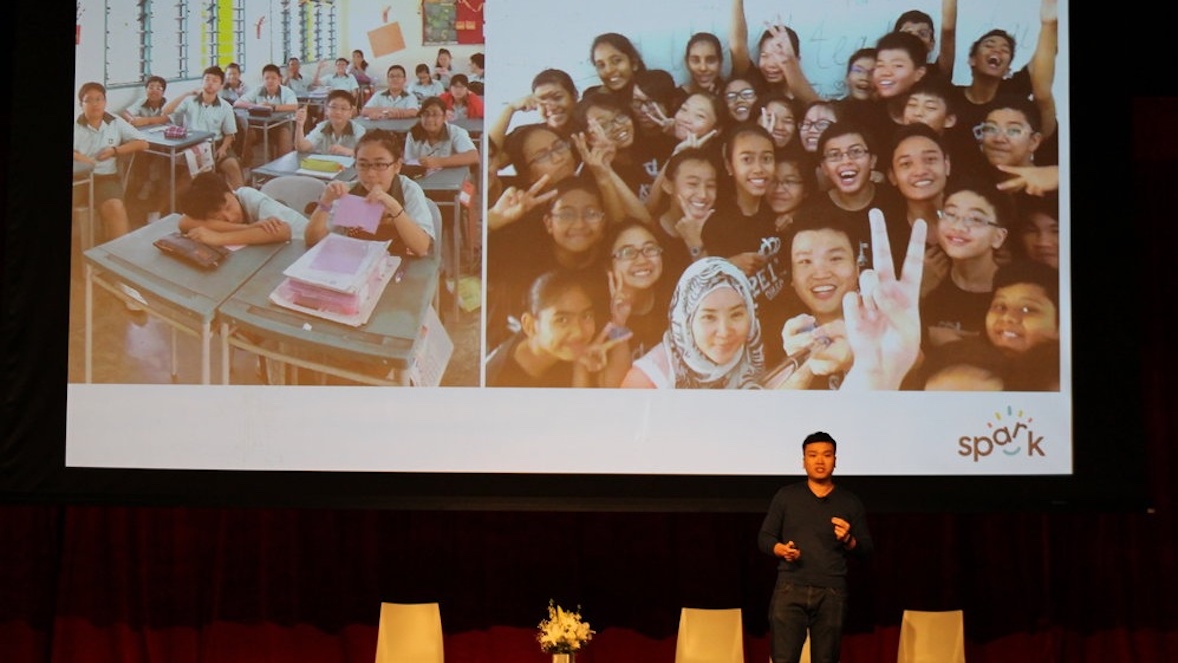
spARk is an augmented reality STEM learning experience that encourages learning systems through hands-on explorations. This builds upon similar prior projects like Math Heroes, which uses mental models as a tool for understanding complex abstract phenomena.
Across a period of 3 months, spARk was part of the NYC Media Lab’s first XR Startup Bootcamp and developed through the Lean Startup method, interviewing and testing with 100 stakeholders in all: students, parents, teachers, educational researchers, investors. A sample lesson on photosynthesis was co-developed with a middle school biology teacher, and tested with several students in his class.
It was exhibited at NYVR Expo, presented at Exploring Future Reality 2018 event, and featured on EdSurge.
Created using Vuforia in Unity.
Research, Design, Augmented Reality Development
able., MFA Thesis Project, 2021
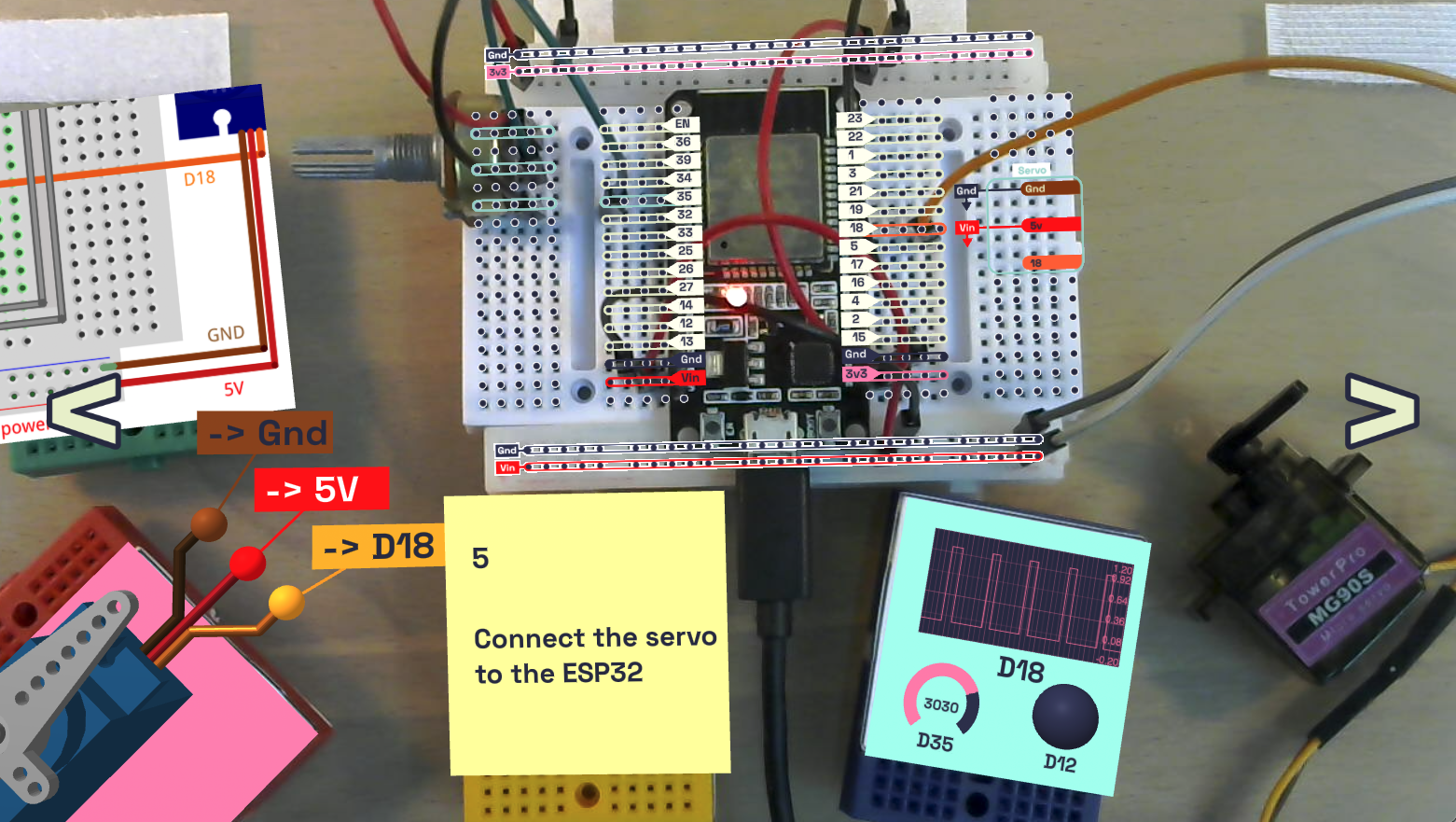
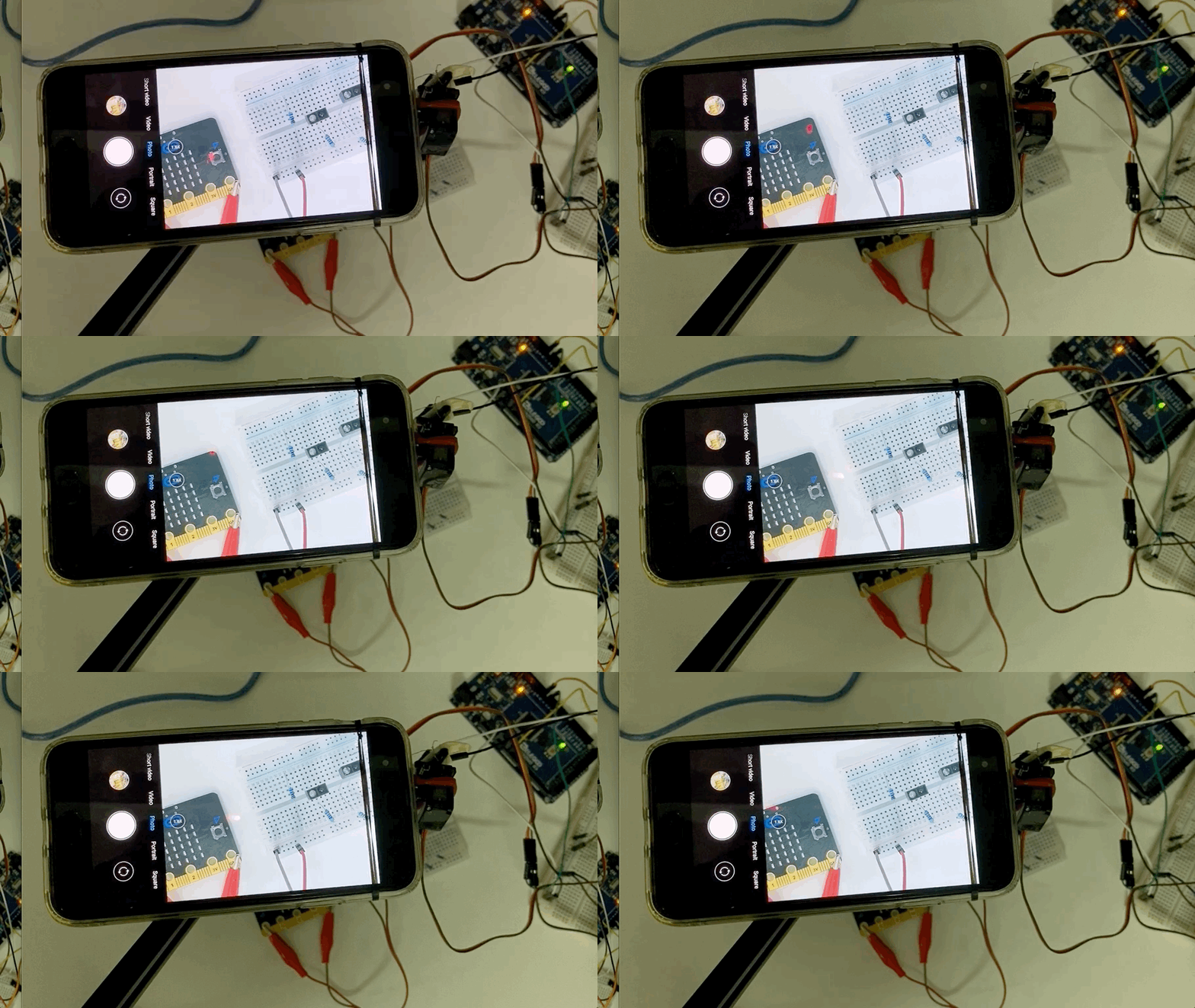
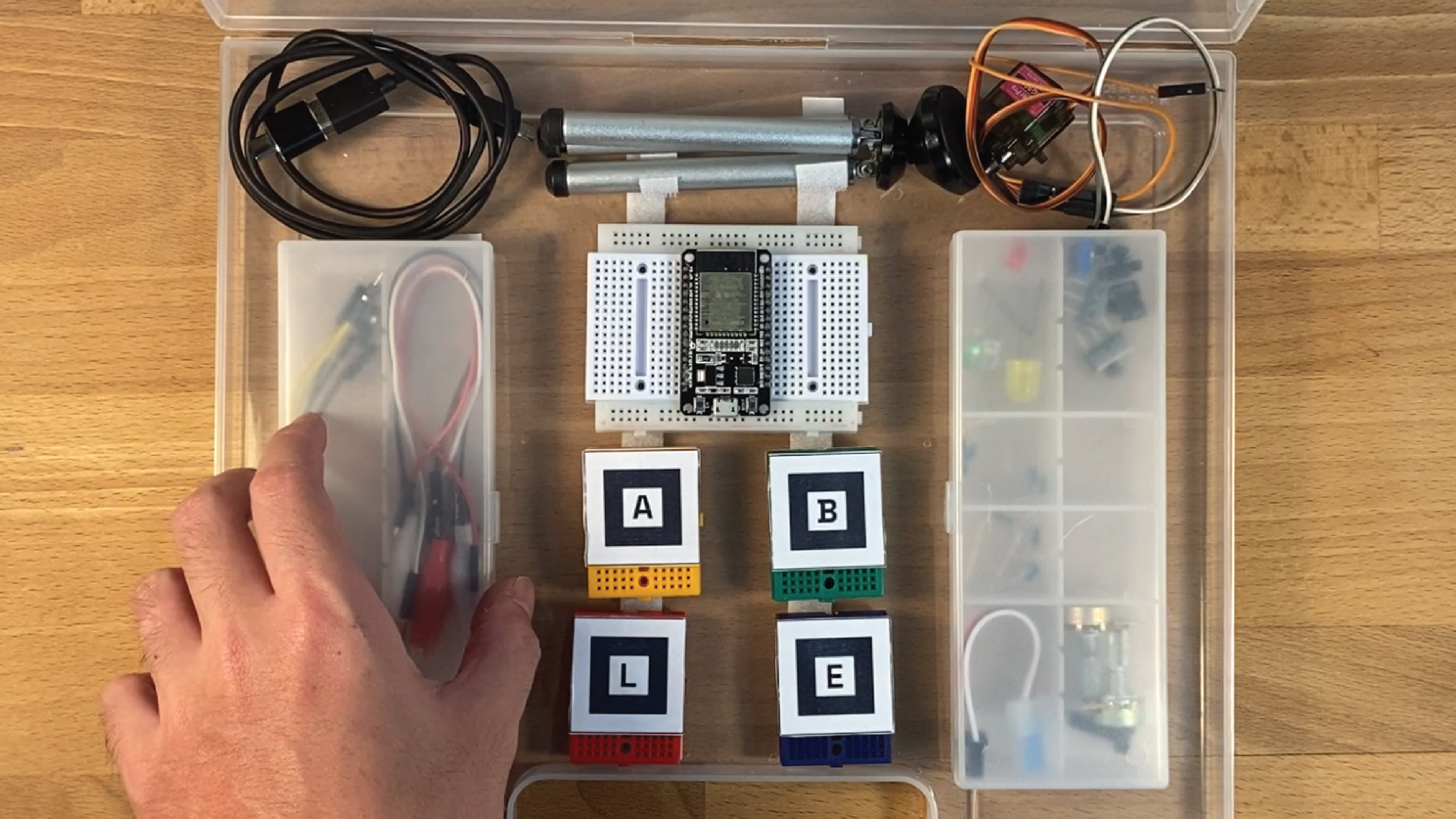
able. (Augmented Bench Learning Experiences) is a collection of physical and digital tools for remote novice electronics makers, using a mobile device.
Conceived during COVID-19 after interviews and research into maker communities, this project aims to address the challenges facing makerspaces and communities of practice. Using as many readily available and cost effective elements as possible, this project proposes ways to bridge challenges in remote guidance, self-guided learning, and accessibility.
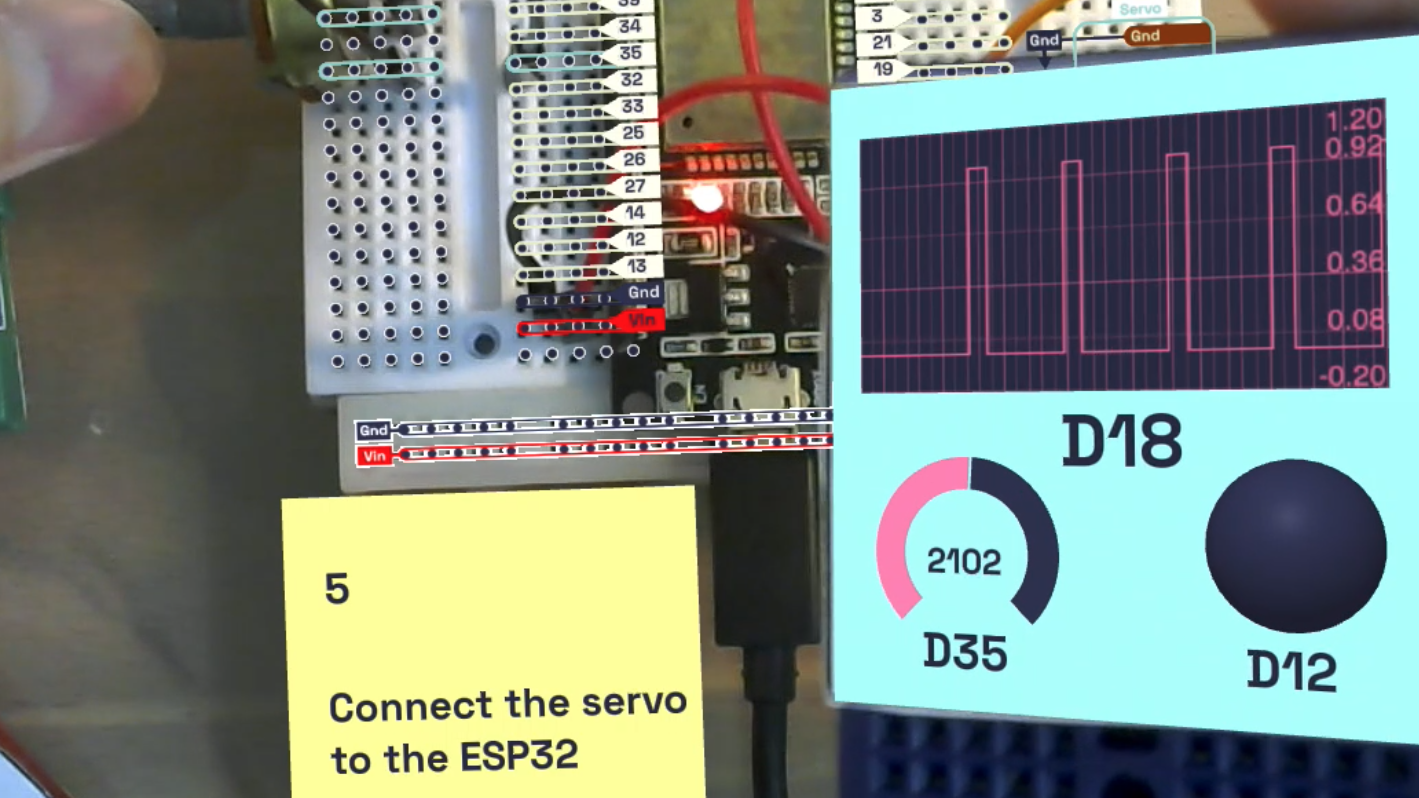
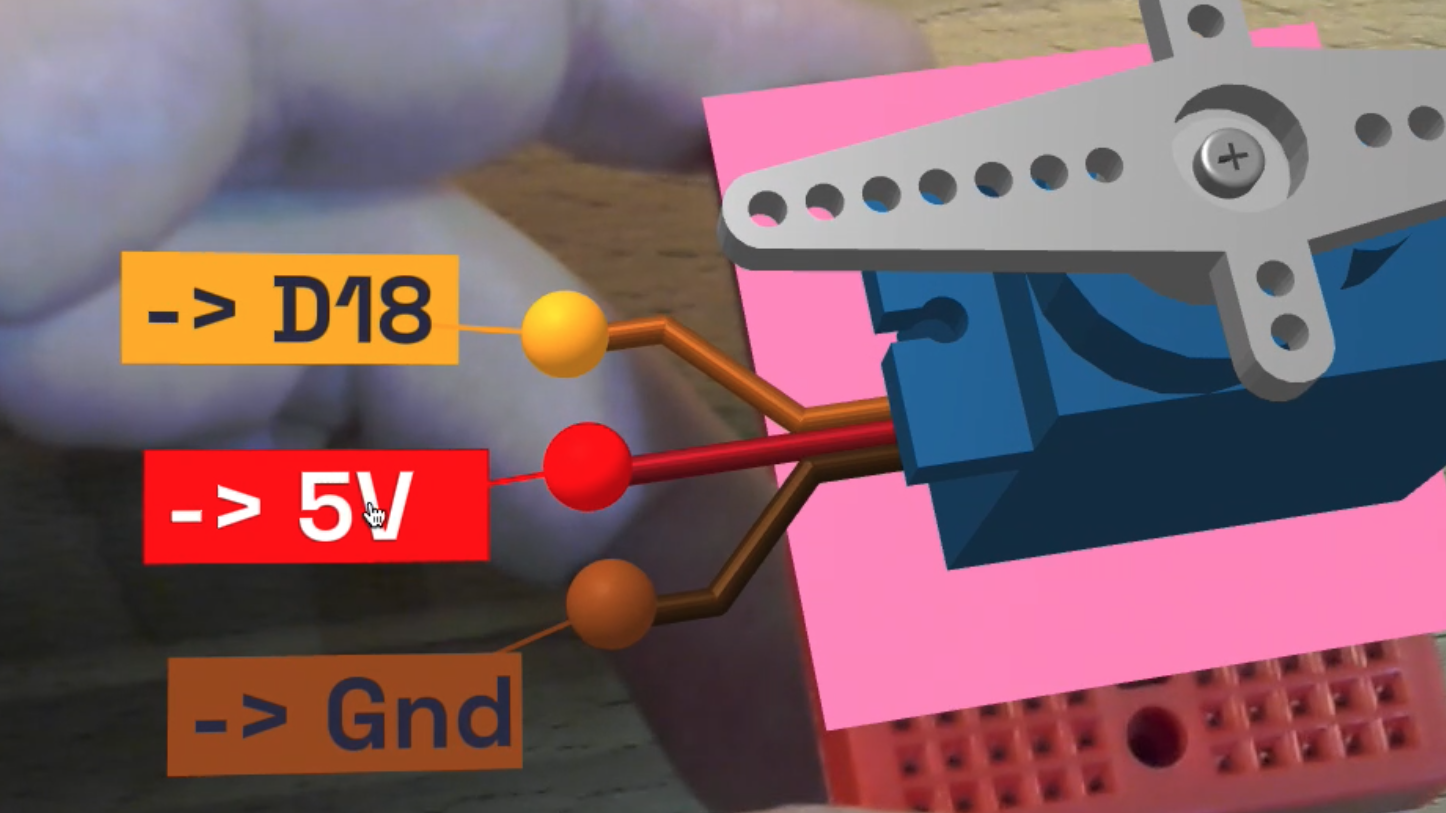
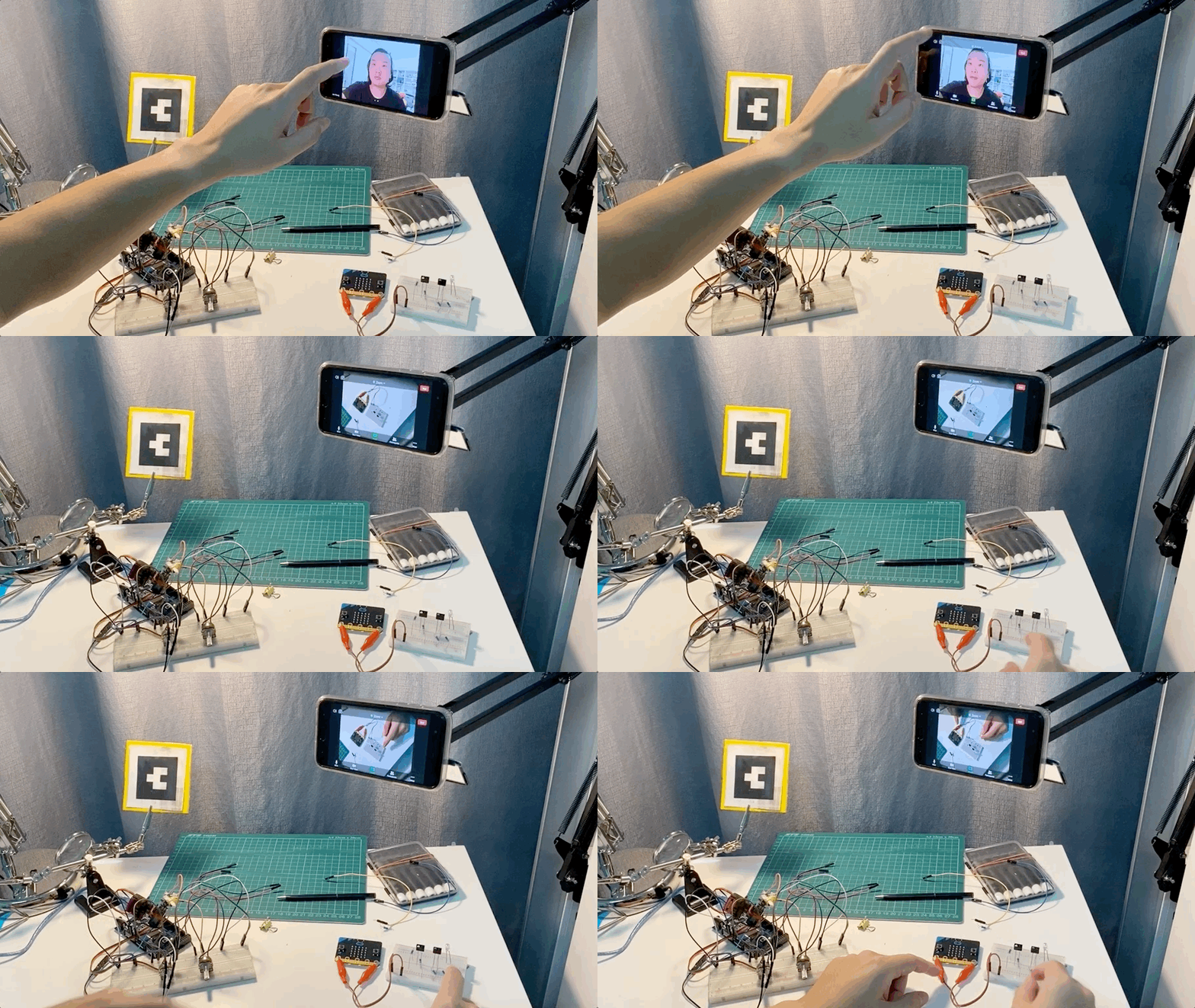
Designing for a hands-free, mobile and web-centric workbench, able. consists of a toolkit of modular components that allow young makers to adapt to their home environment: multiple AR markers that display dynamic content and keep their state; dynamic AR displays that reflect the state of their prototyping board; a mirror attachment and a guided laser pointer that facilitates sharing and guidance on video calls.
Advisors: Katherine Moriwaki, Andrew Zornoza, Aya Karpinska, Louisa Campbell
Augmented reality Design & Development, Research